
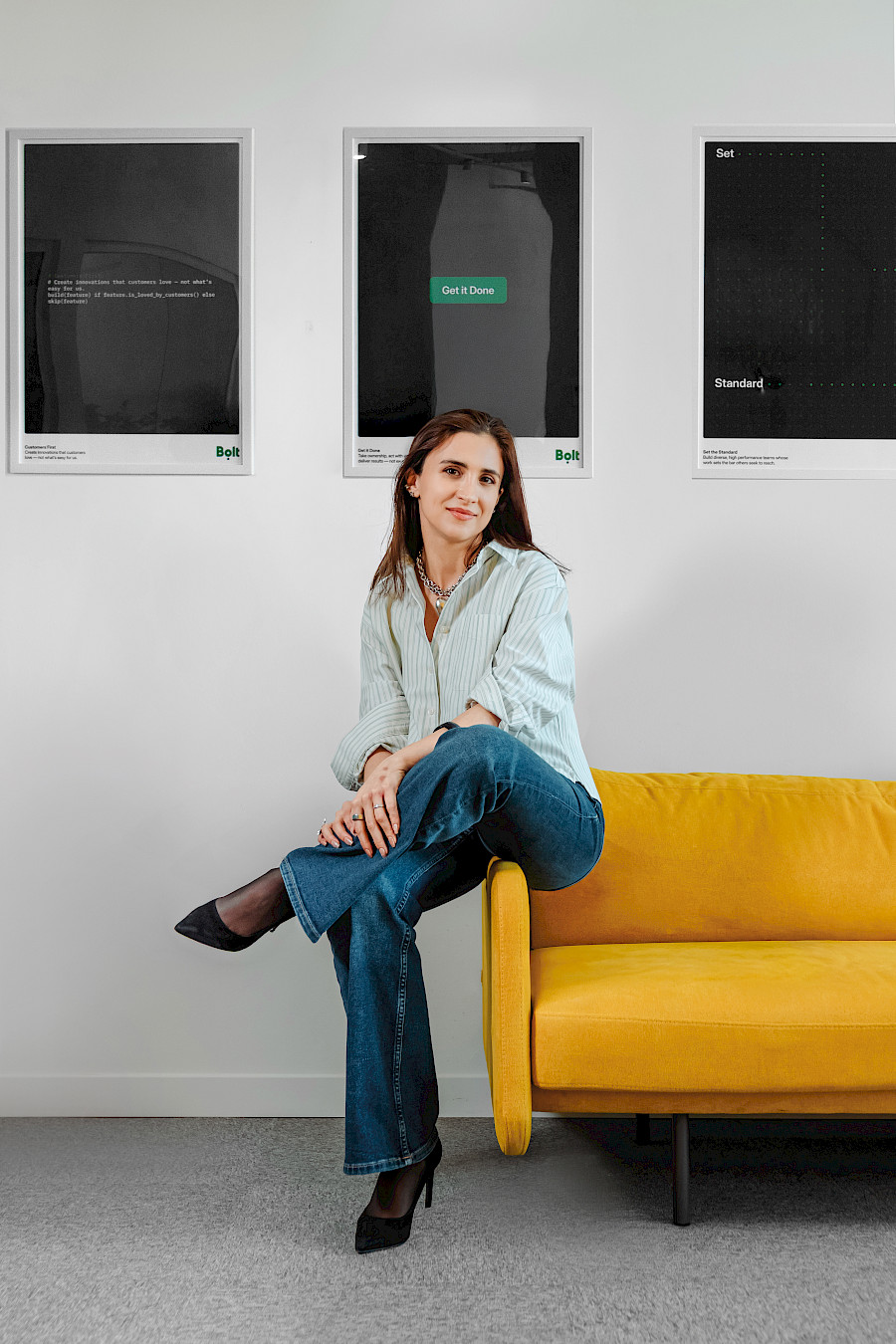
From how we move through the city to how we order dinner or manage company expenses – digital platforms are quietly reshaping everyday life in the country. Bolt Azerbaijan, operating across ride-hailing, food delivery, and corporate mobility, sits at the centre of this transformation. In the following conversations, the General Managers of Bolt Food, Bolt Ride – Hailing, and Bolt for Business reflect on how technology is adapting to a market that still values human connection, how habits are evolving, and what the future of seamless, integrated services might look like.
How does the Azerbaijani market differ from other countries where Bolt Food operates?
In Azerbaijan, we have a very distinct relationship with food, and it’s deeply personal. Every important conversation happens over food. Families gather over food. Celebrations, friendships, business, it all centres around the table. Going to the bazaar, carefully choosing the best fruits, vegetables, or meat is a family ritual in itself. Food isn’t just a commodity here; it’s culture, it’s trust, it’s connection. So when we ask people to hand over that decision to someone else, to a platform, we’re asking them to shift something quite fundamental.
In Western European markets, digital trust is more established, and people are more comfortable with full end-to-end automation. In Azerbaijan, the human layer underneath the tech matters enormously. When something doesn’t go right, people want to speak to a real person, to feel heard. Word-of-mouth is also hugely powerful here, a single trusted recommendation from a friend or family member carries far more weight than any campaign.
That said, the picture is changing, and it’s exciting to watch. The younger generation in Azerbaijan is increasingly aligned with global trends: they want automation, they prefer less friction and less back-and-forth, and they’re completely comfortable with a seamless digital experience. That’s exactly what we deliver.
We also see very clear behavioural shifts around our local holidays. During Novruz and Ramadan, order patterns change significantly: what people want, when they want it, the quantities. We try to anticipate and respond to those changes as best we can, whether that’s through restaurant selections, timely promotions, or making sure capacity is there when demand spikes.
What digital solutions do you use to make the customer experience more convenient?
Convenience is really about removing friction at every step, before, during, and after an order. We use machine learning to predict preparation and delivery times as accurately as possible, because the worst thing you can do is overpromise and underdeliver. We also work to understand patterns, where our customers are, when they order, what circumstances they’re ordering in, so we can serve them better in the moment.
But our biggest recent news is the launch of Bolt+ in Azerbaijan this month. This is a subscription that brings together our rides and food services under one umbrella, giving customers free delivery, additional discounts, and cashbacks, and what’s crucial, is that the benefits are interchangeable across both platforms. So the time you save by using Bolt for a ride, or the discount you earn on food, all become a part of the same experience. It’s about making Bolt a consistent, rewarding part of daily life rather than two separate apps.
Does AI help you with the personalisation of customers’ orders? How accurately can you predict their preferences today?
AI is already a meaningful part of how we operate, from predicting how long a restaurant will take to prepare an order, to estimating delivery time based on traffic patterns and courier availability. These might sound like backend details, but they directly shape whether a customer trusts us enough to order again.
On personalisation, previous orders help us understand what a customer is likely to want, their usual preferences, their favourite restaurants, the times they typically order.
I’ll be honest: deeper personalisation is still a work in progress. But we understand the direction clearly and we’re moving there with purpose. The goal is for the app to feel like it knows you, not in an intrusive way, but the way a good restaurant does when you walk in and they already know what you like. We’re actively testing different approaches to get there, both in how we surface recommendations and in how we support customers and partners throughout their journey in the app. I genuinely believe we’re at the beginning of something very exciting.
How do you engage with local restaurants, especially those for which the digital environment is still something new?
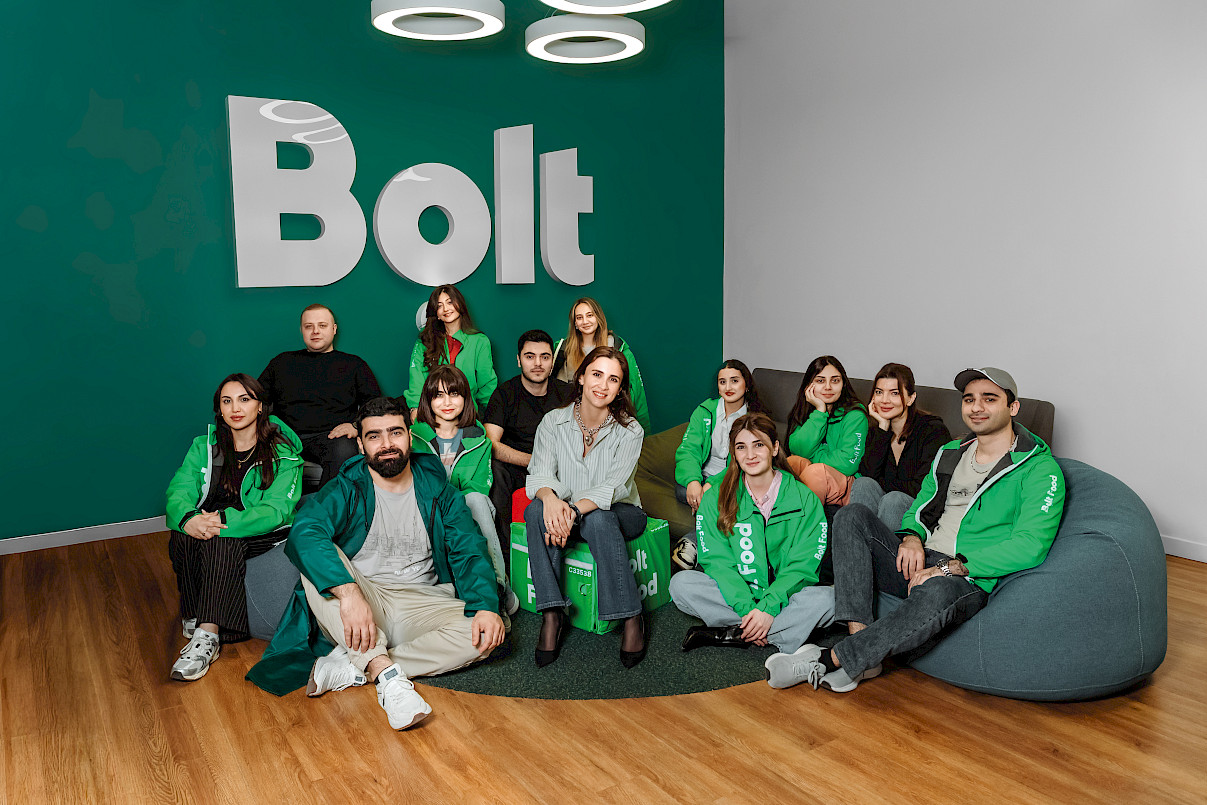
Onboarding a restaurant partner isn’t just a technical process,it’s a relationship. We have video materials to help them understand how to work with our tablets and the partner portal, and we have agents available to guide them through every step. But we also know that for some partners, nothing replaces a face-to-face conversation, and we make sure to offer that offline touchpoint wherever we can.
What we’ve noticed is that the more a restaurant engages with the portal, managing their menu, tracking their performance, responding to feedback, the better their results. And that makes sense: no one understands their business better than they do. We don’t want to tell them how to run their restaurant. We want to give them the best tools so they can make smarter decisions, serve their customers better, and grow. Our job is to enable, not to dictate.
In your opinion, has food delivery in Baku become part of everyday life, or is it still seen mainly as a convenient, secondary service?
It’s becoming a genuine part of life, and I’ll be personal about it, because I think it illustrates the point better than any statistic. As a working mom, food delivery isn’t a luxury for me, it’s time. Time I get to spend with my children instead of running to the store for a last-minute ingredient or standing in a queue when I could be home. That choice, between an errand and a moment with the people I love, shouldn’t have to be a choice at all. And increasingly, it doesn’t have to be.
The pandemic accelerated adoption, but what’s keeping it there is something deeper: a real, global shift in how people think about time and wellbeing. People are asking themselves what they want to spend their energy on. You want to cook something special for your loved ones but you’re missing two ingredients: don’t abandon the idea, just order them. You want your favourite restaurant meal but can’t get there tonight: we bring it to you. Friends are coming over and you have no time to prepare: we’ve got you.
I think almost all of us have had that moment of near-giving-up, when you open the app and it quietly solves the problem. We’re genuinely happy to be the service that doesn’t limit your options, but expands them. And with Bolt+ now available, we’re making that lifestyle even more seamless, one subscription, free delivery, cashbacks and discounts across both food and rides. It’s about becoming a consistent, rewarding part of your day, not just a backup plan.