
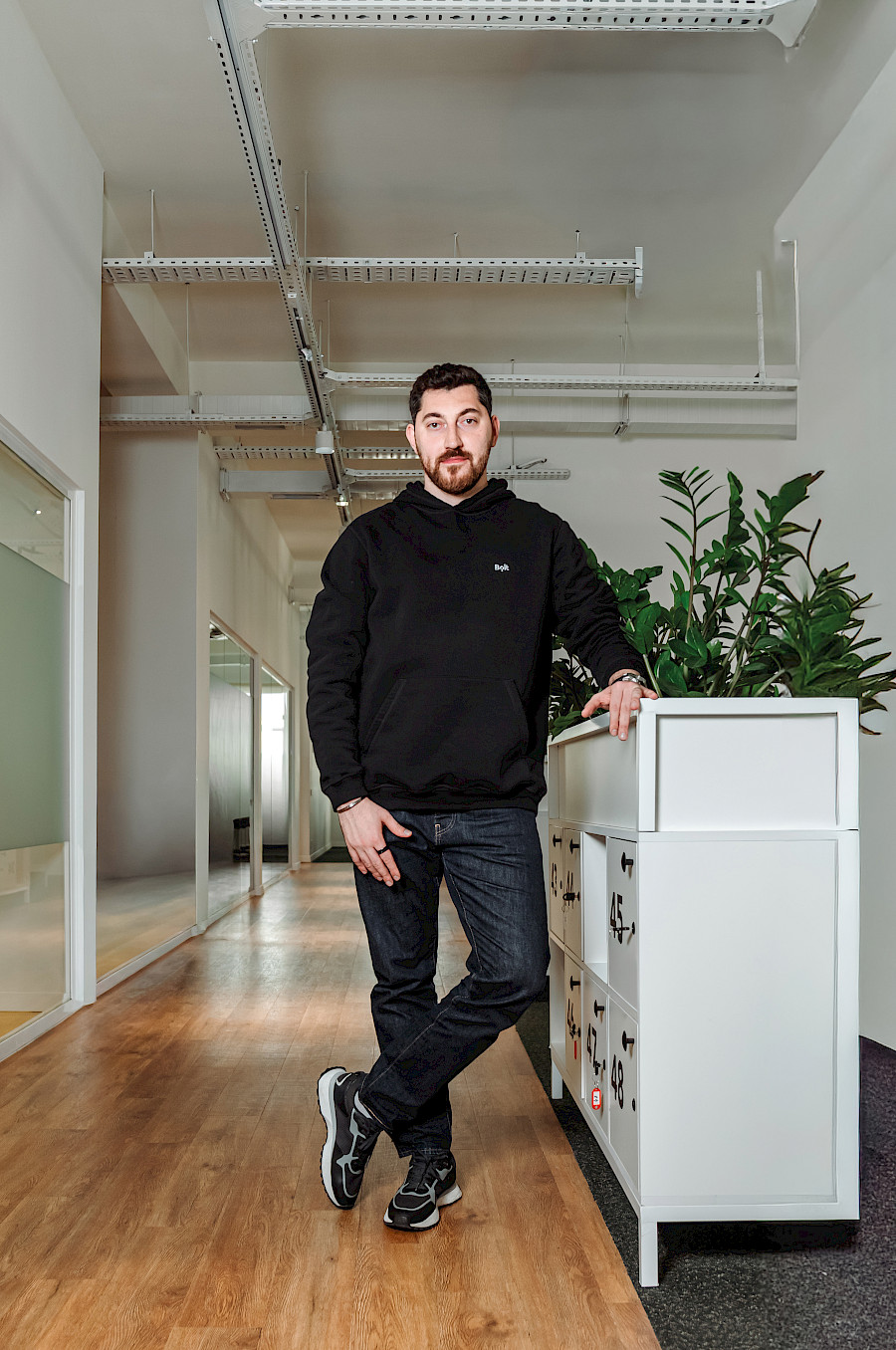
From how we move through the city to how we order dinner or manage company expenses – digital platforms are quietly reshaping everyday life in the country. Bolt Azerbaijan, operating across ride-hailing, food delivery, and corporate mobility, sits at the centre of this transformation. In the following conversations, the General Managers of Bolt Food, Bolt Ride – Hailing, and Bolt for Business reflect on how technology is adapting to a market that still values human connection, how habits are evolving, and what the future of seamless, integrated services might look like.
Moving from the public sector to Bolt is quite a significant career shift. What has been the most surprising for you in this new environment?
The most surprising aspect has been the speed of execution and decision-making. In the public sector, decisions are naturally more structured and long-term, with multiple layers of alignment. At Bolt, I experienced a shift towards a highly agile environment, where ideas can move from concept to implementation very quickly.
What stood out to me is that this speed is not chaotic, it is actually data-driven and outcome-focused. Teams are empowered to take ownership, test ideas, and iterate based on real market feedback. Another surprising element has been the level of ownership at every level of the organisation. People are not just executing tasks; they are thinking like business owners, constantly asking how to improve efficiency, customer experience, and results. Coming from the public sector, this required an adjustment, but it also unlocked a new level of impact. It allowed me to combine my structured background with a more dynamic, performance-oriented approach, which I believe is a powerful combination for driving growth in a market like Azerbaijan.
How ready are Azerbaijani companies for the digitalisation of their transport and logistics processes?
Azerbaijani companies are somewhere in the middle of this transition. Larger enterprises tend to rely on digital tools to track costs, manage operations, and keep everything transparent and accountable. In contrast, many small and medium-sized businesses still operate more
traditionally, using manual processes, cash payments, or informal transport arrangements.
However, the overall direction is clearly shifting toward greater transparency and wider use of cashless. Notably, this shift isn’t just about adopting new technology, but also about changing how companies think and operate.
What is the key difference between Bolt for Business and traditional corporate transport solutions?
The main difference comes down to flexibility and control at scale. Traditional corporate transport solutions are usually quite rigid – they rely on fixed contracts, offer limited fleet options, and often lack real transparency regarding usage and costs.
Bolt for Business takes a different approach, offering companies on-demand, scalable mobility with real-time tracking and detailed reporting. They can also set clear policies, deciding who can use the service, when, where, and within what budget.
As a result, transport is no longer treated as a fixed expense; instead, it becomes something dynamic that companies can monitor, adjust, and optimise as their needs change.
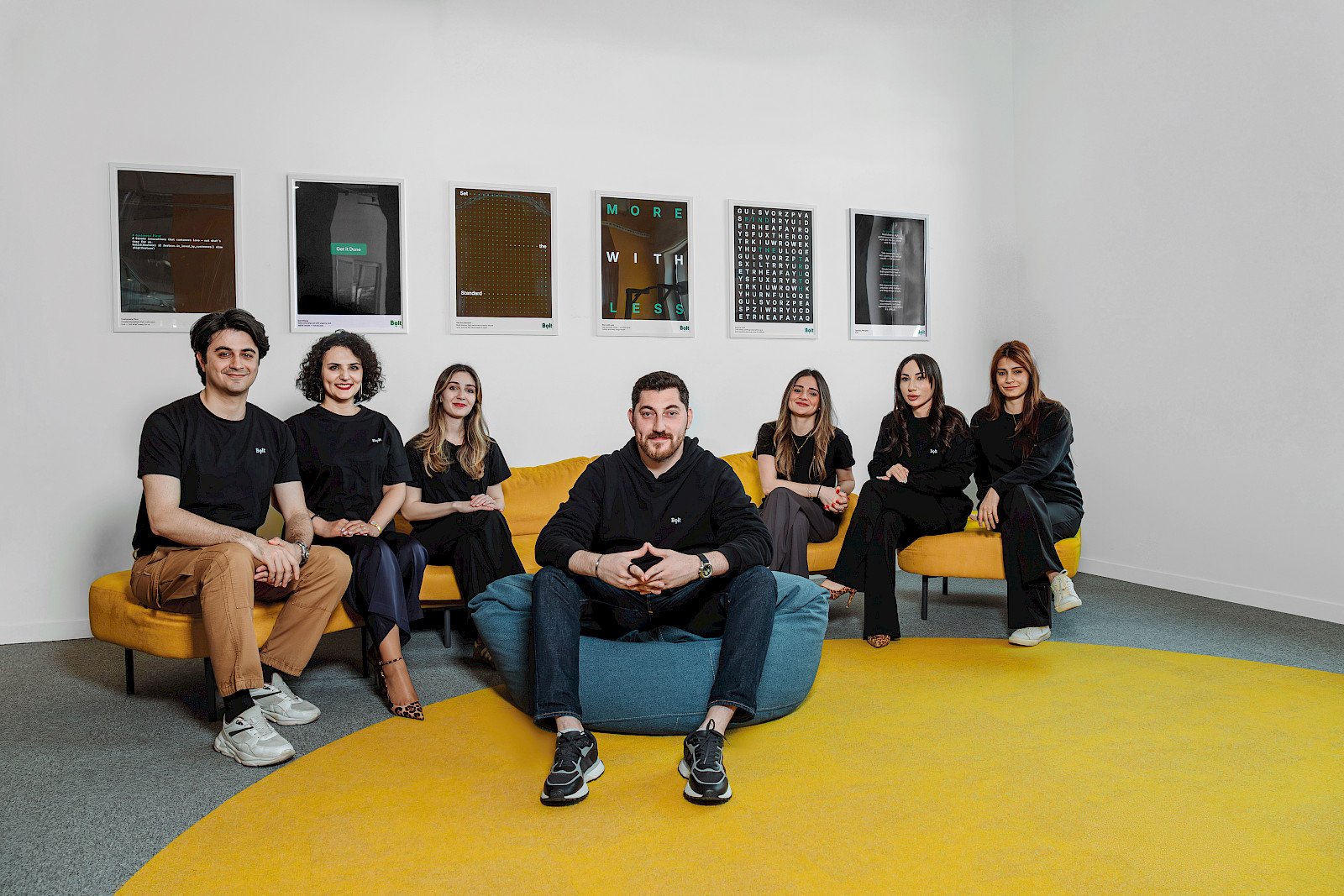
Could we imagine a future in which using Bolt for Business for corporate trips becomes as easy and commonplace as ordering a taxi in everyday life?
Absolutely, and in many ways, we’re already heading there. As one of the winners of the fourth “Yuksəliş” competition, I’ve seen how important it is for businesses to embrace innovation. The goal is to make corporate mobility feel effortless with no manual approvals or reimbursement paperwork. For employees, it should be as simple as booking a ride without a second thought. For companies, everything remains structured and controlled in the background.
Looking ahead, it’s easy to imagine a workplace where booking a business ride feels as routine as sending an email. At the same time, companies will rely more on automated policies and integrated systems to manage everything efficiently.
And it won’t stop at transport. We’re moving toward a broader ecosystem that could include rides, food delivery, and logistics – all connected on a single platform.